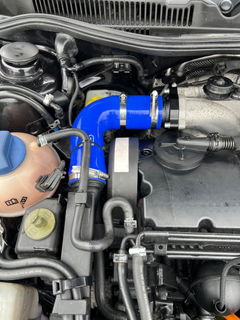
Radiator Hose Elbows

3 products


Radiator Hose Elbows

Radiator hose elbows offering flexibility for secure connections in automotive cooling systems.

What are rubber radiator elbows for?

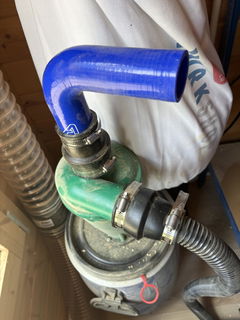
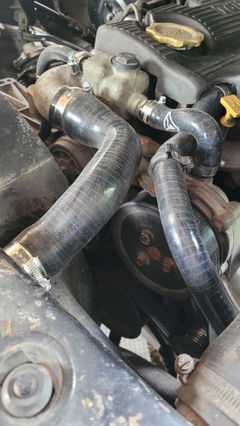
They are moulded EPDM bends that turn a corner in a coolant, air or water run without kinking. Use one wherever a hose has to change direction - around an engine mount, past a chassis rail, or between a radiator and an offset stub. A moulded elbow keeps the bore round through the bend, so flow is not restricted and the hose will not collapse.

What angles and sizes do you stock?

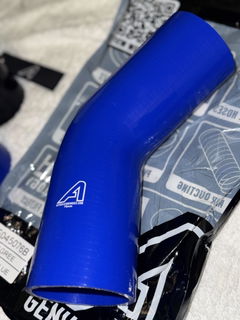
45 and 90 degree elbows in internal diameters from 10mm to 76mm - thirteen sizes in each angle. Every elbow has 150mm legs, giving 300mm total, which leaves plenty to trim to fit. Order by internal diameter, matched to the outside diameter of the pipe stub the elbow slides onto.

Why not just bend a straight hose round the corner?

Because bending a straight hose closes up the bore, restricting flow and creating a stress point that will eventually split - usually without warning and usually at the worst moment. A moulded elbow is formed to shape, so the wall thickness and bore stay consistent through the bend. It is also far tidier and stays where you put it.

What are they rated for?

EPDM rubber built to SAE J20 R3 with high-tensile fibre yarn reinforcement, suitable for standard glycol coolant mixes and the temperatures and pressures of a normal cooling system. EPDM is the material used for virtually all original-equipment coolant hose. It is not suitable for fuel or oil - hydrocarbons attack it.

Rubber or silicone elbow - which should I choose?

Rubber is the like-for-like replacement, cheaper, and matches the look and feel of the original hoses on a standard vehicle. Silicone handles far higher temperatures and does not perish or harden with age, so it is the better choice if the vehicle runs hot, if access is poor, or if you simply do not want to do the job again.

Can I trim the legs?

Yes - cut square with a sharp blade, leaving at least 25-30mm of straight leg beyond the bend so the clip has a properly supported section to seat on. Do not trim so far that the clip ends up on the curve of the bend, because it will not seal evenly there and will tend to work loose.