-


45 Degree Aluminium Elbow
Regular price From £10.32Sale price From £10.32 Regular priceUnit price per -


90 Degree Aluminium Elbow
Regular price From £10.32Sale price From £10.32 Regular priceUnit price per -


135 Degree Aluminium Elbow
Regular price From £12.00Sale price From £12.00 Regular priceUnit price per -


180 Degree Aluminium Elbow
Regular price From £12.00Sale price From £12.00 Regular priceUnit price per


Alloy Elbows
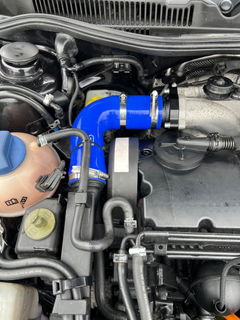
Designed to provide exceptional solutions for fluid redirection across a variety of applications. These elbows offer seamless redirection at a range of angles including 15, 45, 60, 90, 135, and 180 degrees, making them a perfect fit for various projects. Whether you're working on a performance induction system for an automotive application or a specialized industrial setup, these elbows have you covered.
In the realm of performance induction systems, these Alloy Elbows play a crucial role. When optimizing the airflow in high-performance engines, every degree of angle matters. Whether you're seeking a 45-degree elbow for precision tuning or a 90-degree elbow for efficient cornering in your air intake setup, our collection provides the angles you need to fine-tune your system.
With a robust 1.6mm wall thickness, these elbows are built to withstand the rigors of high-performance environments. The beaded ends on each elbow ensure a secure connection, minimizing any disruption in airflow. This attention to detail contributes to the seamless flow of air within your induction system, maximizing efficiency and performance.
What are aluminium elbows used for?
What angles and sizes do you stock?
Are the ends beaded?
What material and rating are they?
Aluminium or stainless steel - which should I use?
Can I cut the legs shorter?
Questions about Alloy Elbows?
Need something bespoke?