- All products
-
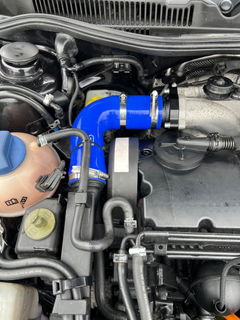
 VW Golf MK5 2.0 GTI (03-) PCV Cylinder Head Vent Breather Hose Upgrade
-
 Jaguar X-Type 2.5 3.0 V6 Engine Crankcase Breather Hose Replacement C2S10945 C2S40863
-
 Land Rover Series & Defender Fuel Filler Breather Hose Pipe 55cm MLH100410
-
 Ford Transit MK6 2.2 2.4 TDCI 00-06 Fuel Tank Breather Hose Pipe 4042241
-
Ford Transit MK7 2.2 2.4 TDCI 06-11 Fuel Tank Breather Hose Pipe 4042241
-
 Land Rover Discovery 1 Petrol Fuel Tank Breather Upgrade Pipe ESR1056


-

VW Golf MK5 2.0 GTI (03-) PCV Cylinder Head Vent Breather Hose Upgrade
Regular price £16.21Sale price £16.21 Regular priceUnit price per -

Jaguar X-Type 2.5 3.0 V6 Engine Crankcase Breather Hose Replacement C2S10945 C2S40863
Regular price £10.29Sale price £10.29 Regular priceUnit price per -

Land Rover Series & Defender Fuel Filler Breather Hose Pipe 55cm MLH100410
Regular price £5.14Sale price £5.14 Regular priceUnit price per -

Ford Transit MK6 2.2 2.4 TDCI 00-06 Fuel Tank Breather Hose Pipe 4042241
Regular price £5.14Sale price £5.14 Regular priceUnit price per -
Ford Transit MK7 2.2 2.4 TDCI 06-11 Fuel Tank Breather Hose Pipe 4042241
Regular price £5.14Sale price £5.14 Regular priceUnit price per -

Land Rover Discovery 1 Petrol Fuel Tank Breather Upgrade Pipe ESR1056
Regular price £12.86Sale price £12.86 Regular priceUnit price per


Oil Breather Tube
Oil breather tube built for automotive applications to handle oil vapors effectively.
What does fluorolined mean?
What is in the range?
When do I need it rather than standard silicone?
Is it compatible with E5 and E10 petrol?
What temperature range does it cover?
How is it constructed?
Questions about Oil Breather Tube?
Need something bespoke?