Gummikupplungen für Kraftstoff und Öl

Keine Produkte gefunden

Verwende weniger Filter oder entferne alle


Gummikupplungen für Kraftstoff und Öl

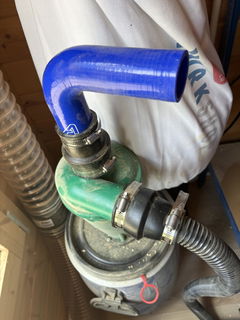
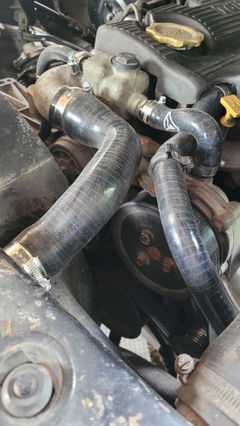
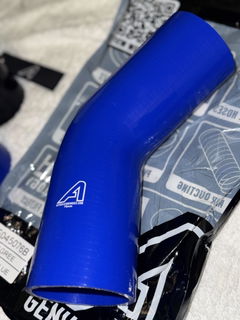
Gummikupplungen für Kraftstoff und Öl sind auf Leistung, Haltbarkeit und Zuverlässigkeit selbst in den anspruchsvollsten Anwendungen ausgelegt. Diese Kupplungen werden aus hochwertigen Gummimischungen hergestellt und sind für den Umgang mit Kraftstoff, Öl und verschiedenen Kohlenwasserstoffen ausgelegt. Damit sind sie ideal für den Einsatz in Automobil-, Industrie- und Schiffssystemen.

Dank ihrer ausgezeichneten Beständigkeit gegen hohe Temperaturen, Druck und Abrieb gewährleisten sie eine sichere und leckagefreie Verbindung zwischen Kraftstoff- oder Ölleitungen. Unsere Kupplungen sind in verschiedenen Größen und Konfigurationen erhältlich und bieten eine flexible Lösung sowohl für Standard- als auch für benutzerdefinierte Konfigurationen.

Which rubber fuel hose do I need?

For a general fuel or oil line, the Multi-Purpose hose in 5mm to 25mm - anti-static and very flexible. For small-bore carburettor and return lines, the Cotton Braided hose in 3mm to 12mm. For low-pressure gravity feeds and breathers, the Unreinforced hose in 3mm to 10mm. For boats, the ISO 7840 Marine hose. For high-pressure or exposed runs, the Stainless Overbraid.

Are they compatible with E5 and E10 petrol?

Yes - these are nitrile-based hoses formulated for modern ethanol-blended fuels as well as diesel and oils. This matters: ethanol attacks unsuitable rubber from the inside, so an old fuel line can look perfectly sound externally while breaking down internally and shedding debris into the fuel system.

When can I use the unreinforced hose?

Only on low-pressure work - gravity feeds, breathers, tank vents and transfer in 3mm to 10mm bores. It is a smooth extruded nitrile tube with no braid, so it has no pressure rating to speak of. Anything on a pressurised injection system needs a reinforced hose. If you are not sure whether a line is pressurised, assume it is.

What does anti-static mean and when does it matter?

Fuel flowing through a hose generates static electricity. An anti-static hose provides a conductive path so that charge dissipates rather than building up and discharging as a spark. It matters most on higher-flow transfer and decanting work. Our Multi-Purpose Fuel & Oil hose is anti-static for exactly this reason.

Why do I need a special hose for a boat?

Because a fuel leak on a boat collects in the bilge rather than draining away. ISO 7840 A1 is the fire-tested, low-permeation grade required for permanently installed fuel lines on recreational craft. Automotive hose is neither fire tested nor low-permeation enough, and surveyors and insurers will pick it up. Use marine hose on a boat.

What standards are they built to?

SAE J30 R6 for the multi-purpose and stainless overbraid hoses - the standard automotive fuel and oil specification. ISO 7840 A1 for the marine hose. DIN 73379 Type B for the cotton braided. BS EN ISO 11424:2007 for the unreinforced. Buying to a recognised standard is worth doing with fuel hose; it is not a place to economise.