-


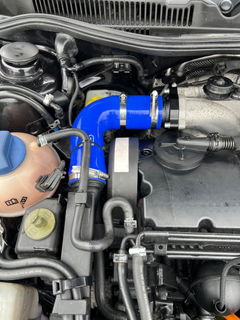
Gummi-Ultraflex-Kraftstoff-Einfüllstutzenschlauch
Normaler Preis Von £7.03Verkaufspreis Von £7.03 Normaler PreisStückpreis pro


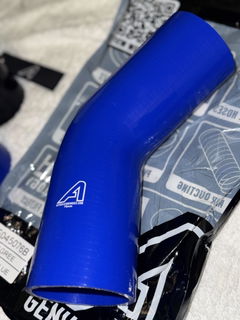
Flexibler Kraftstoff-Einfüllstutzenschlauch aus Gummi
Ein Kraftstoffeinfüllschlauch ist ein Schlauchtyp, der den Kraftstoffeinfüllstutzen eines Fahrzeugs mit dem Kraftstofftank verbindet und es ermöglicht, Kraftstoff von einer externen Quelle, beispielsweise einer Zapfsäule, in den Tank zu pumpen. Dieser Schlauch besteht normalerweise aus einem haltbaren und flexiblen Gummimaterial und ist so konzipiert, dass er Kraftstoff, Hitze und anderen harten Bedingungen standhält.
Kraftstoffeinfüllschläuche gibt es in verschiedenen Größen und Formen für unterschiedliche Fahrzeugtypen. Sie können mit verschiedenen Armaturen und Anschlüssen ausgestattet sein, um eine sichere und leckagefreie Verbindung zu gewährleisten. Sie sind wesentliche Komponenten des Kraftstoffsystems eines Fahrzeugs und spielen eine entscheidende Rolle bei der Gewährleistung einer sicheren und effizienten Kraftstoffzufuhr zum Tank.
Regelmäßige Inspektionen und Wartungen des Kraftstoffeinfüllschlauchs sind entscheidend, um die Integrität und Sicherheit des Kraftstoffsystems zu gewährleisten. Anzeichen von Verschleiß oder Beschädigungen wie Risse, Lecks oder Korrosion sollten umgehend behoben werden, um ein Verschütten oder Auslaufen von Kraftstoff zu verhindern, da dies eine Brandgefahr darstellen und die Leistung des Fahrzeugs beeinträchtigen kann. Der Austausch des Kraftstoffeinfüllschlauchs bei Bedarf ist wichtig, um die Effizienz und Zuverlässigkeit des Kraftstoffsystems aufrechtzuerhalten und kostspielige Reparaturen zu vermeiden.
What is a fuel filler neck hose?
How is it constructed?
What sizes and lengths do you supply?
Is it E5 and E10 compatible?
What are the symptoms of a failing filler hose?
Why does it need the wire helix?
Questions about Flexibler Kraftstoff-Einfüllstutzenschlauch aus Gummi?
Need something bespoke?